High-performance elite Nordic skiing environments continue to develop world-renowned athletes, skiers with exceptional physical fitness and technical mastery unrivalled in the sport. A holistic, science-based approach to performance brings together precise training schedules, comprehensive support systems, technical excellence and mental strength that can be translated into practical, operations-focused strategies for ski areas looking to improve and succeed.
Holistic development means looking at the big picture, seeing the resort as one integrated system, all processes working together to achieve a winning overall experience for guests, professional and effective staffing and peak performance from all equipment and operating systems.
The guest experience
Developing the skills of guests at all levels takes a dedicated coaching style like that of Nordic ski athletes. Instructors must be prepared to work with every student’s unique ability, encouraging technique but also looking at physical condition and mindset. Formal skill development programs might focus on specific alpine skiing techniques such as the five fundamental skills of balance, rotary, edging, pressure and coordination, bringing mastery and confidence.
Tim Gibbons has been a cross-country ski coach for over 25 years and has traveled extensively throughout North America and Europe documenting the developmental stages, processes and systems of endurance athletes. He sees several ways that the Scandinavian model of coaching can be applied to ski resorts across North America aiming to achieve higher guest satisfaction and excellence in staffing and operations.
“You must have certified professional instructors who are very experienced,” said Gibbons. “But more than that, they must be able to help the beginner and intermediate skiers to enjoy skiing even more. Looking at the whole person is something the Scandinavian model has perfected. Learn what the problem is and then address it. Excellent guest experience means the staff is well trained to deliver services to guests of all fitness levels, ages and ski experience.”

“Excellent guest experience means the staff is well trained to deliver services to guests of all fitness levels, ages and ski experience.”
Tim Gibbons
Using games that reinforce techniques can help bring a fun atmosphere, while low-pressure, inclusive events help promote friendly competition. Family ski days and social interaction develop teamwork among skiers at different levels and a sense of community within the resort.
Just as with elite sport athletes, recovery is an important part of the overall guest experience. Good, healthy food and wellness options such as yoga, massage and a spa will soothe sore muscles and provide comfort finishing off a day of skiing and reinforcing the mindset of accomplishment.
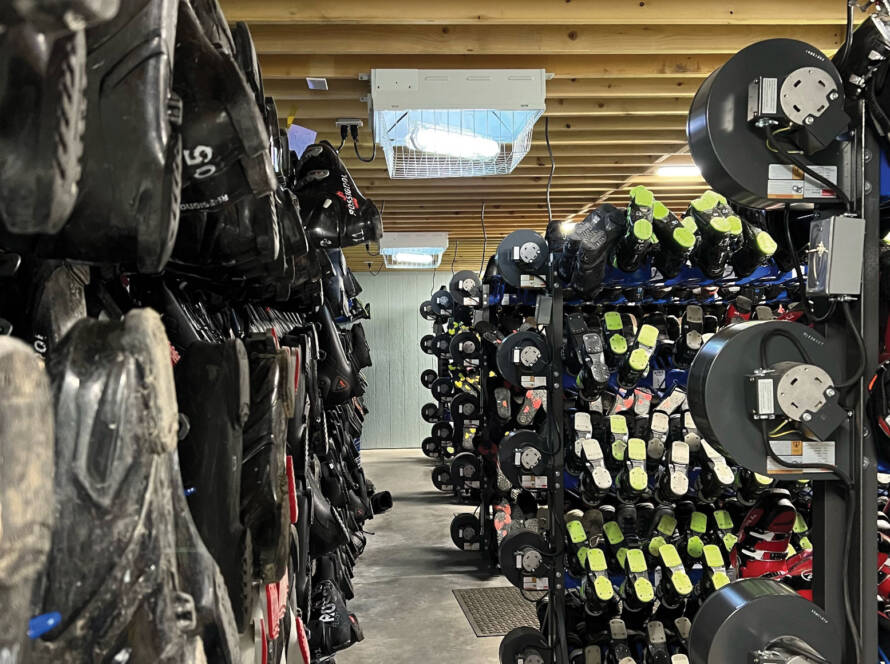
Equipment rentals must be at peak performance standards for both the enjoyment of guests and to ensure longevity. Regular cleaning, waxing, inspections, repairs and proper storage must be a priority. Ski equipment tracking software can help streamline operations, maintain inventory and track the location of each item.
A digital concierge app can help get guests on the trails quickly with personalized maps, book lessons and rentals and deliver real-time answers to everything they need to know about the resort and its amenities.
The staff as a team
In a report in the Psychology of Sport and Exercise, “The Coach as an Architect of Danish High-Performance Sport Environments,” Danish elite sports coaches are depicted as leaders who facilitate teamwork and foster a shared vision, ensuring that all members of the environment are aligned.
By taking this same approach in the management of staff, resorts can build a strong winning team held together with a commitment to excellence and personal achievement. According to the report, Danish elite sports coaches “strive not only to enhance athletic performance but also to stimulate the personal development and well-being of their athletes.” This holistic approach is essential for sustained performance and is easily translated into resort staff management and leadership.
Resorts must accurately assess the ability level of every employee at the beginning of the season to ensure they can safely manage the level of terrain their job requires. By offering free ski training for staff, a resort can improve safety and injury prevention, while data management programs can track staff training, safety training, schedule work hours and breaks, keeping everything running smoothly.
“I think a common mistake is not providing staff training that contributes to the experience of your guests,” said Gibbons. “Train employees in the ways you want things done. If there’s a problem, ‘here’s how we address it.’ Communicate and educate, don’t just order your employees around, because just as in elite sports, collaboration within the team leads to success. How can you engage your employees, so they know they are contributing? It’s about leadership that nurtures a culture of involvement in the staff.”
A positive work environment and life balance makes for better overall performance in all aspects of the resort and guest experience. Elite sports coaches strongly believe that good management and clear communication are the essential ingredients for an environment that will foster both personal and team achievement. Communication is the key. Seeing the individual within the team, providing good food, rest and recovery, stress management and social cohesion all make for a community of cooperation and pride in performance.
Operations and terrain
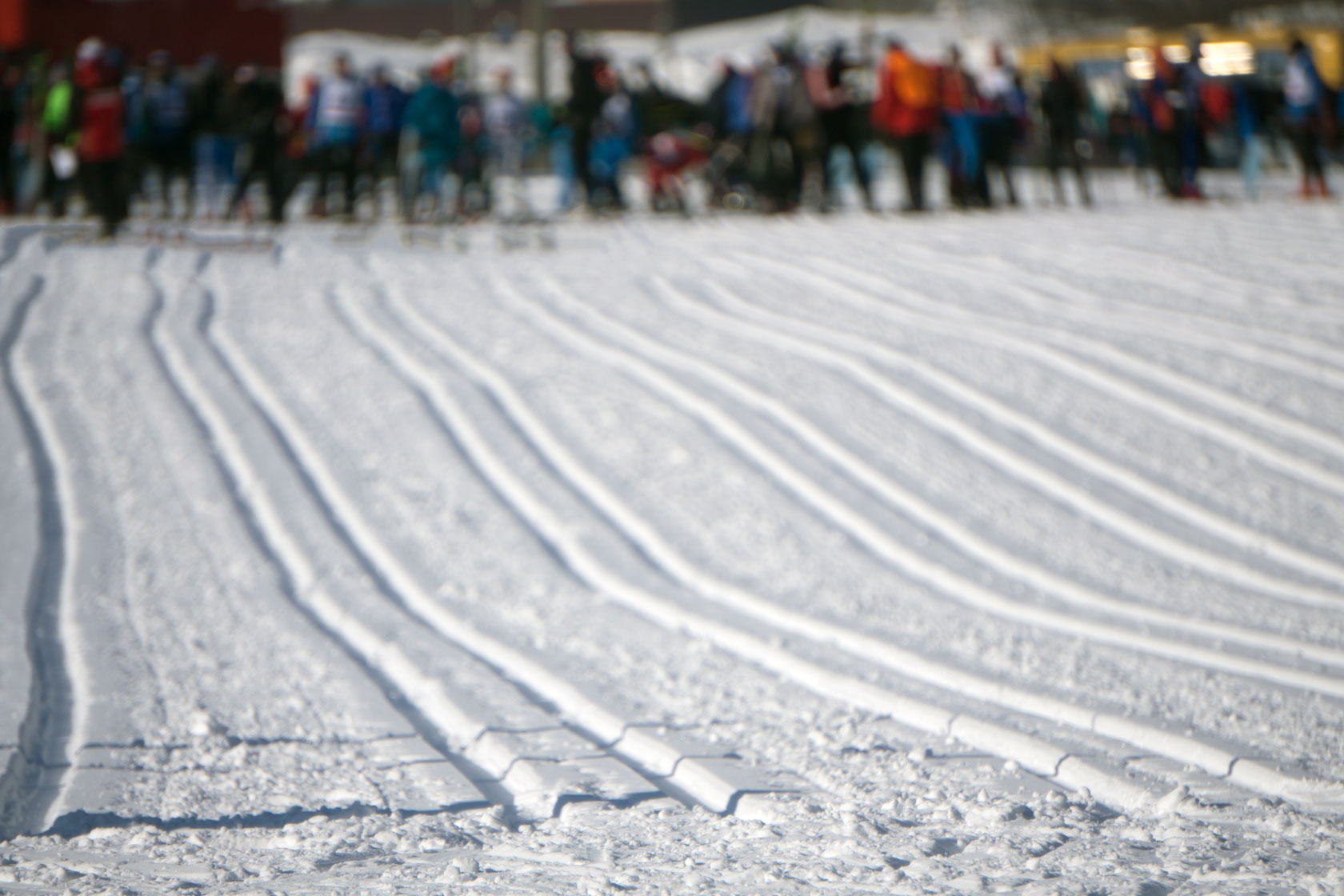
“In Elite Nordic skiing, high-performance operations mean you have the best-groomed trails,” said Gibbons. “Eliminate icy trails using snowcats. Have lots of beginner and intermediate trails for a good experience for both novice and intermediate skiers.
“And remember the 1,000 yearly hours of training an elite cross-country skier does can be translated into all the hours used to train staff or the number of years of education and teaching required to become a highly qualified ski instructor. It takes a qualified snowcat operator to provide good grooming. You just don’t go out there and drive a machine.”
I think a common mistake is not providing staff training that contributes to the experience of your guests.
Tim Gibbons
Advanced snow management is necessary to achieve peak performance: detailed course inspections, short- and long-term weather tracking and regular, timely maintenance routines on trails, equipment and infrastructure.
Precision snowmaking uses real-time weather information, moisture and terrain data to optimize water/air mix, not only ensuring perfect snow but also reducing energy and water waste. Smart snow guns carry sensors controlled remotely or automatically adjusted to the current and predicted conditions. Data-driven robots and drones take any guesswork out of precise grooming and snow distribution. Snowcats equipped with Global Navigation Satellite System receivers and LiDAR sensors can measure snow depth up to 165 feet from the front and sides. It’s all about optimizing for the enjoyment and satisfaction of every guest at every level.
Breakdowns on lifts and machinery can be reduced or even eliminated with the use of sensors that predict when maintenance is needed. Using AI to anticipate skier flow and bottlenecks at busy times and spread demand will maximize efficient lift usage.
State-of-the-art technology and analytics can optimize every aspect of resort operations, and the holistic, science-based approach of high-performance elite skiing can be achieved in finding the balance to meet every guest expectation, building a strong, coordinated team and achieving the highest quality of terrain and trail conditions.