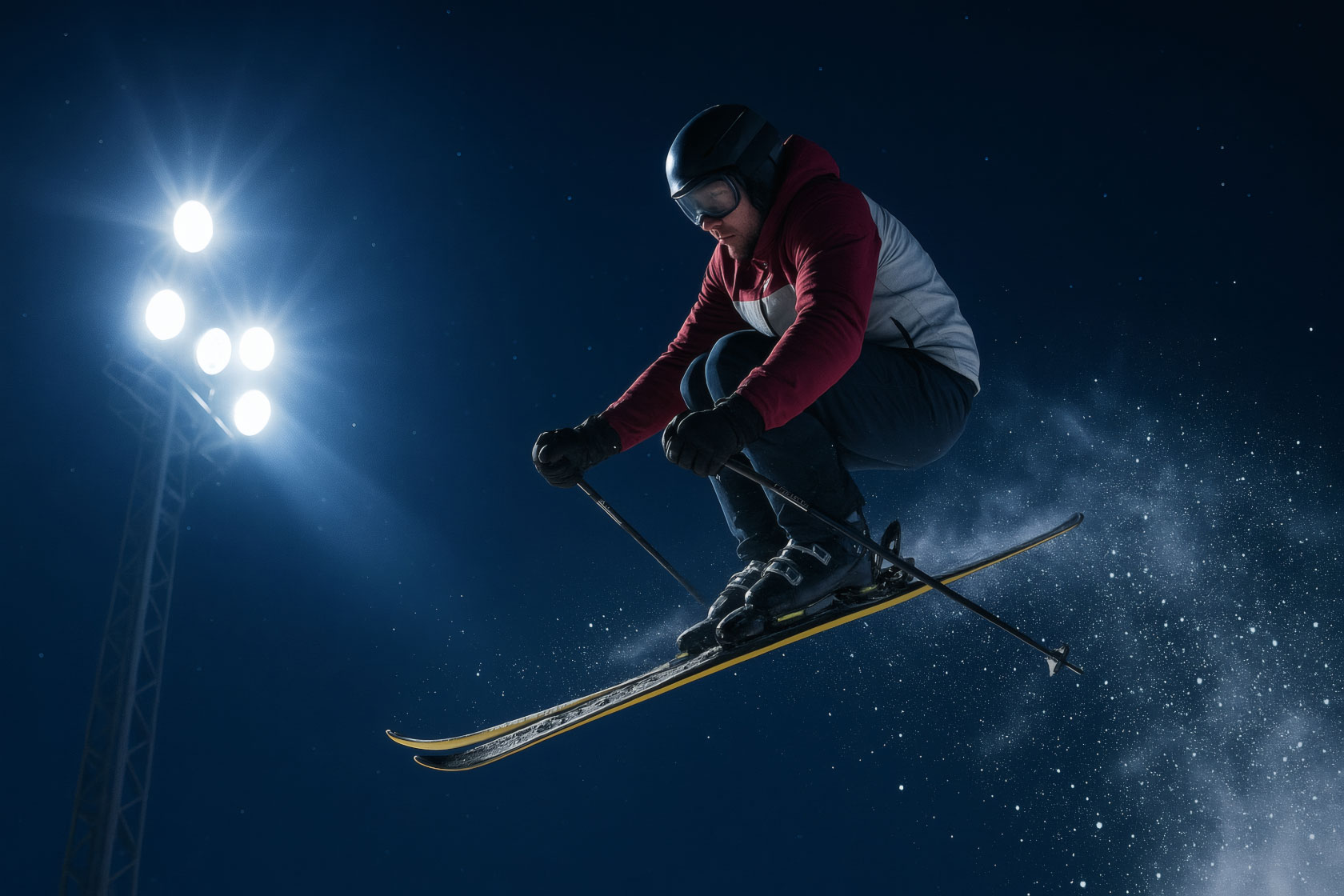
Many resorts are turning to after-hours programming to unlock incremental revenue and deepen guest engagement. From night skiing under bright lights to extended-hour sessions that let locals carve turns after work, these programs have become sustainable elements of the winter season, not just gimmicks.
What separates the successes from the rest is understanding that after-hours revenue only works when it’s built on operational clarity. Here are some examples that show how it’s done.
Mt. Hood Skibowl: The largest night skiing footprint in the U.S.
Some resorts dabble in night skiing on a few runs. Mt. Hood Skibowl goes big. Located near Government Camp, Ore., Skibowl boasts the largest night skiing operation in the U.S., with more than 30 lit runs accessed by four chairlifts, making up a significant portion of its 960-acre skiable area.
With so much terrain under lights, Skibowl’s night sessions give guests full-mountain access after dark, rather than a limited or truncated experience. That sense of scale is reinforced by accessible pricing – night tickets are typically priced lower than full-day passes, making evening skiing an attractive, value-driven option for both locals and visitors.
Crucially, night operations at Skibowl, and any other ski area, need lighting infrastructure, patrol coverage and staffing built into seasonal operating plans and budgets, allowing after-hours skiing to function as a core part of daily mountain operations rather than a special event.
Skibowl’s success shows that owning scale matters for night-skiing, not just for guest appeal, but for staffing predictability and lift scheduling. Local operators can treat night runs as another shift rather than a departure from standard operations.
Brighton Resort: Expanded night terrain and evening lessons
In Utah’s Brighton Resort, night operations have evolved beyond the basics. Brighton turns on the lights from around 4 p.m. to 9 p.m. most evenings, spreading illumination across multiple runs and lifts.
Brighton’s night operations are built around well-lit multiple lifts, with the resort continuing to expand its illuminated terrain in response to demand and encouraging repeat evening visits. The program is further strengthened by dedicated lesson offerings, including group lessons on Thursday nights, which give locals a structured reason to stay on the mountain later and help keep the terrain active even after peak daytime crowds have thinned.
Together, these elements speak directly to the Wasatch Front’s large population of after-work skiers and riders, positioning night skiing as a natural extension of Brighton’s community-driven culture rather than a novelty.
After-hours revenue only works when it’s built on operational clarity, realistic terrain scope and repeatable systems.
Bogus Basin: Night skiing with strong local loyalty
Bogus Basin near Boise, Idaho, runs night sessions daily, often until 10 p.m., and lights large portions of the mountain. Night skiing isn’t reserved for holidays or weekends, it happens every night, which simplifies staffing, grooming rotation and safety planning. Bogus Basin’s night season passes are priced to incentivize repeat visits, turning night skiing into a revenue driver and a loyalty builder.
Tyrol Basin: Small-mountain success with expanded tubing
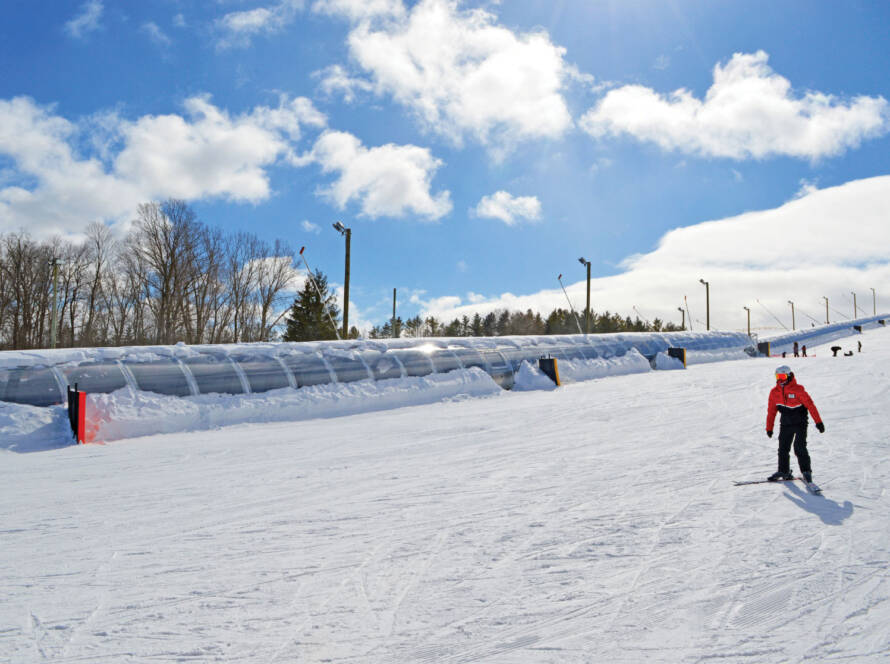
Not every success story is about huge terrain under lights. Tyrol Basin, located in Mt. Horeb, Wis., mixes night skiing with expanded tubing and base-area amenities to draw consistent evening crowds. The addition of snow tubing lanes and a new bar/concession building has turned Tyrol Basin’s after-hours program into more than just skiing and into a social experience.
This matters because after-hours programming built around tubing and après options helps diversify revenue by extending per-guest spending beyond lift tickets alone. These offerings are family-friendly and approachable for mixed-ability groups, allowing resorts to attract a broader audience rather than relying solely on core skiers and riders.
By concentrating activity in the base area, night programming can succeed without the need for extensive terrain lighting, instead thriving on a destination-style experience that encourages guests to linger, socialize and spend more time and money on the mountain.
Paoli Peaks: Midnight Madness and deep-night sessions
In Paoli, Ind., Paoli Peaks pushes night operations into fun territory with extended hours that have included “Midnight Madness” sessions lasting until 3 a.m. on select nights.
That kind of programming pulls in younger crowds and locals looking for something truly different, opens new slots for food and beverage revenue and creates stories that keep the resort top-of-mind for skiers. From an operations perspective, these sessions are planned as occasional special events rather than nightly commitments, which helps manage staffing and safety without burning out crews or equipment.
Gunstock Mountain Resort: Glow events and terrain park culture
At Gunstock Mountain Resort in New Hampshire, night skiing combines with themed events to make after-hours programming memorable and profitable. Gunstock offers night skiing on its lower mountain, often supplemented with glow stick-themed terrain park competitions (Glow and Throw) that turn an ordinary night session into an experience.
Key success factors include themed programming that creates energy and buzz, events like glow park nights attract a social, experience-driven crowd and translate into both ticket sales and ancillary spending. Just as important is the focus on community and participation. These nights are designed to be fun first and profitable second, which strengthens guest connection and long-term loyalty. The scope remains manageable, with only a portion of the terrain lit enough to deliver a memorable experience without adding unnecessary operational strain.