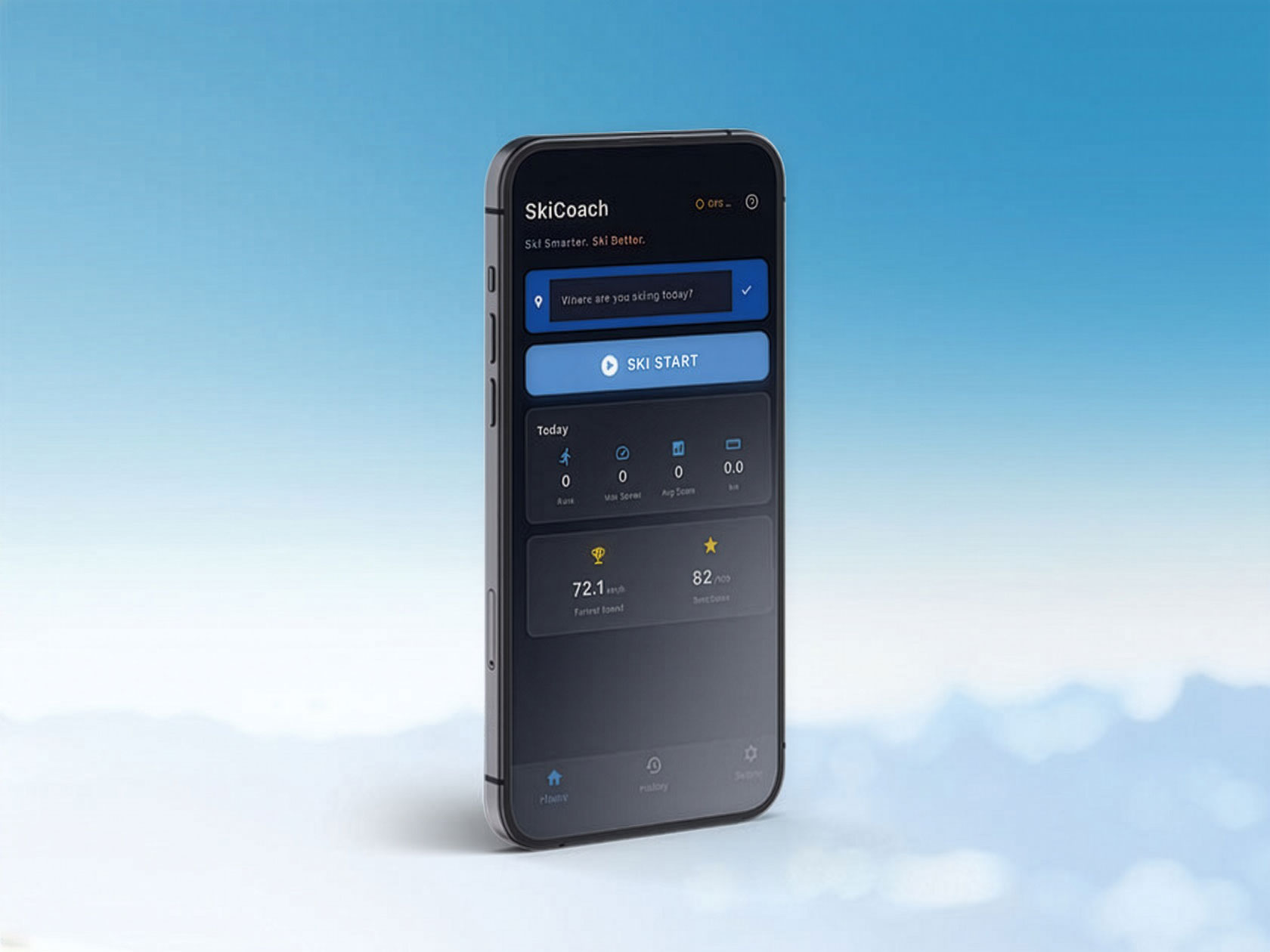
An Austrian engineer spent a full day skiing Schladming without a single session recorded. That afternoon, he rewrote an app.
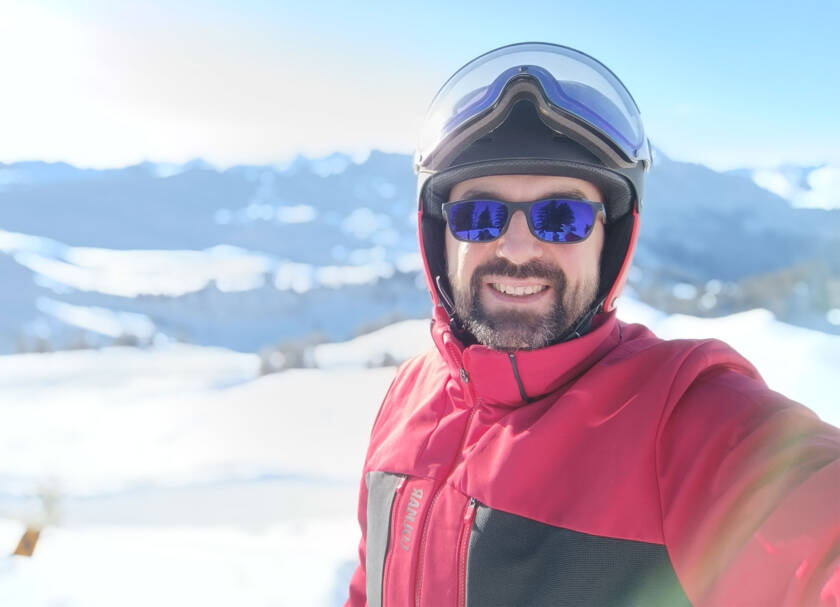
“The day I lost in Schladming taught me more than any test session I planned,” said Mihajlo Grmaš, founder of the SkiCoach.App. “I had the app running. I was on the mountain. Conditions were good. What I did not account for was the screen locking in my pocket.
"When a phone screen locks (when the display turns off and requires a passcode or face recognition to unlock), the [phone’s] motion sensors (which track movement) suspend. Not throttle – suspend. Everything I skied that afternoon was unrecorded. Hours of data, gone. You cannot get that back.
“That is when I added the wakelock. The app now keeps the screen active during any recording session. It is documented in the onboarding. This is the reason battery mode exists as a feature. It is the most-read line in the setup instructions. One afternoon in Schladming made it non-negotiable.”
Some decisions can only be made on the mountain – details-driven, not by feature requests but by real experience, such as finishing a run with no data to show for it.
What the phone can actually do – and what it cannot
A smartphone cannot measure precise edge angles. It cannot detect pole plant timing. It cannot distinguish powder from groomed. For those measurements, skiers need boot-mounted sensors that make direct contact with the ski. That hardware exists, and it does those things well.
What a smartphone can do – using its gyroscope, accelerometer, GPS and barometer – is measure speed accurately. It can analyze the consistency and rhythm of turns in real time. It can detect high-G fall impacts and track vertical descent. It can do all of this with no internet connection, no server and no account. Every calculation runs locally on the device. Nothing leaves the phone unless the skier exports it.
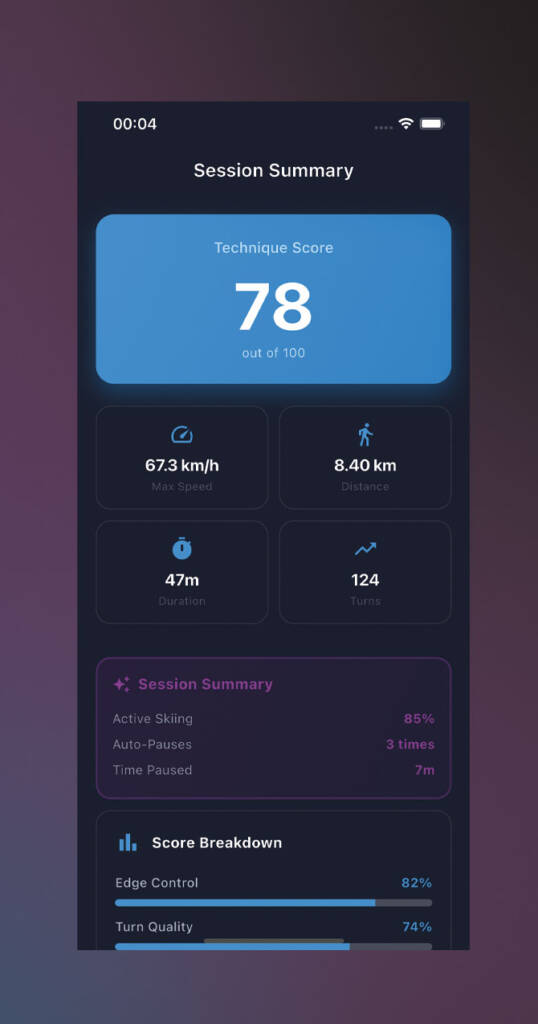
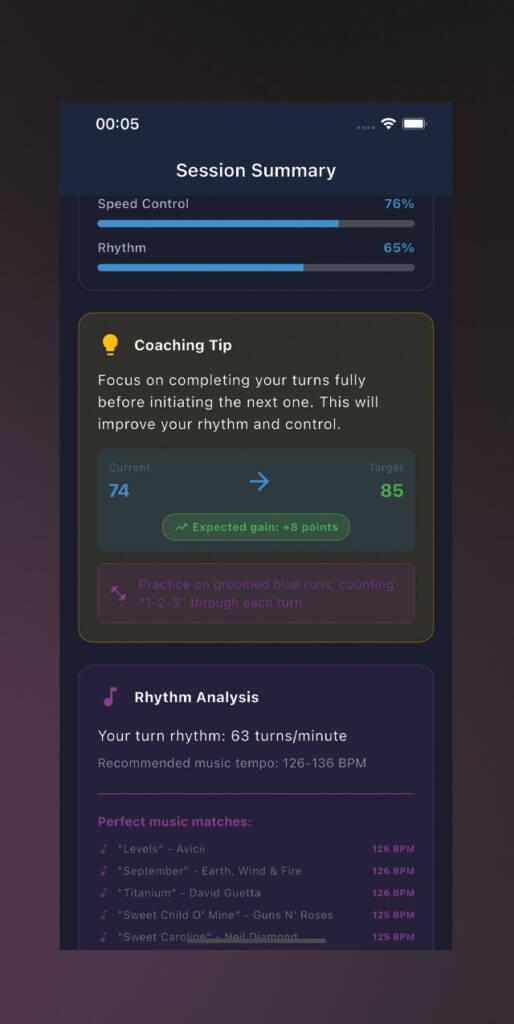
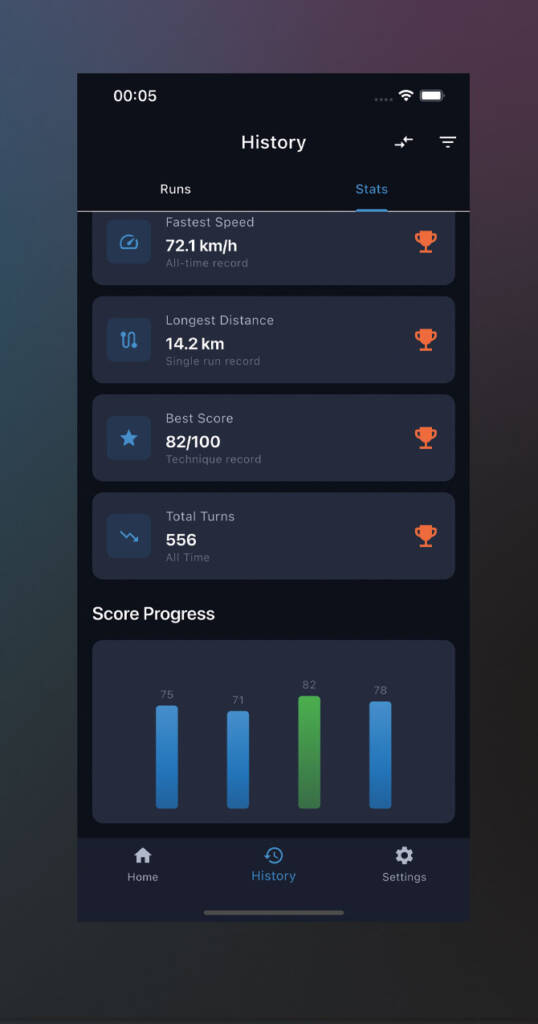
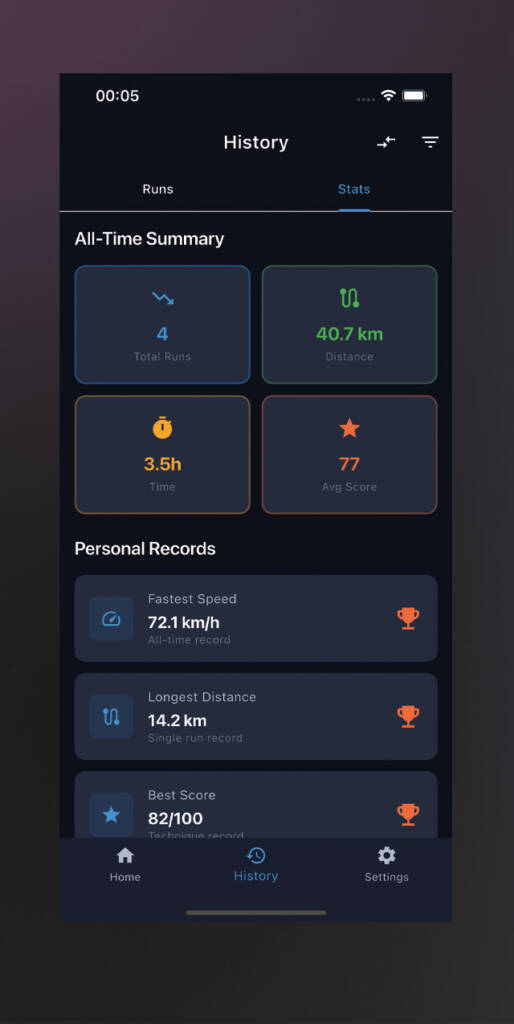
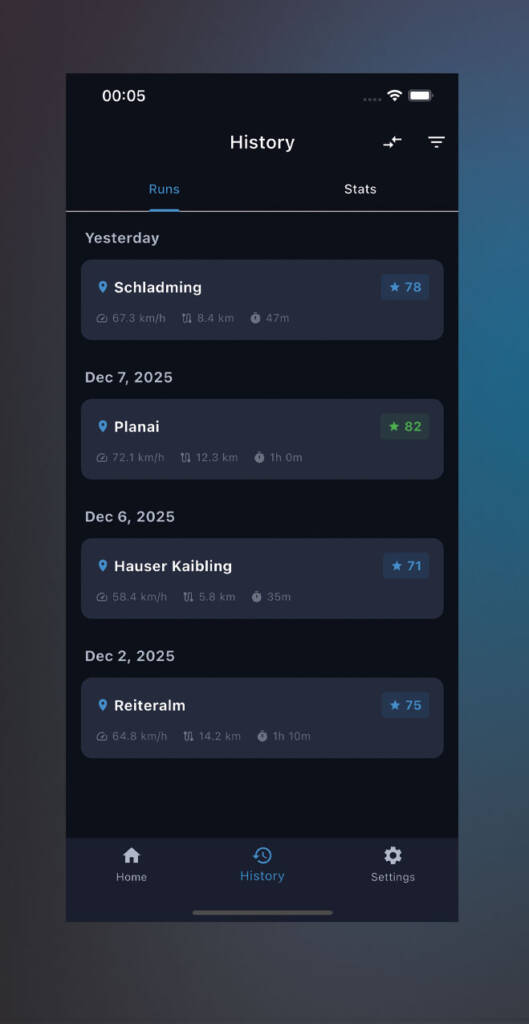
SkiCoach measures turn smoothness, movement stability and speed control. It produces a 0–100 score and one coaching tip per run. One tip, not five. Giving a skier five things to fix at the bottom of a run is not coaching. It is a list they will forget on the first chairlift.
Why offline matters operationally
Any coaching tool requiring a live data has reliability baked in as a problem. With SkiCoach.App, there’s no sync step, upload or login: the instructor hands the student a phone, the student presses start and at the run’s end, a score and tip are waiting regardless of the network.
I built this because the problem was real and the existing solutions were more expensive and complicated than the problem required.
Mihajlo Grmaš, SkiCoach.App
For ski schools, the operational case is clear: they get consistent, objective progress data without hardware rentals, IT infrastructure or per-student subscriptions.
Fall detection: the feature that was never behind a paywall
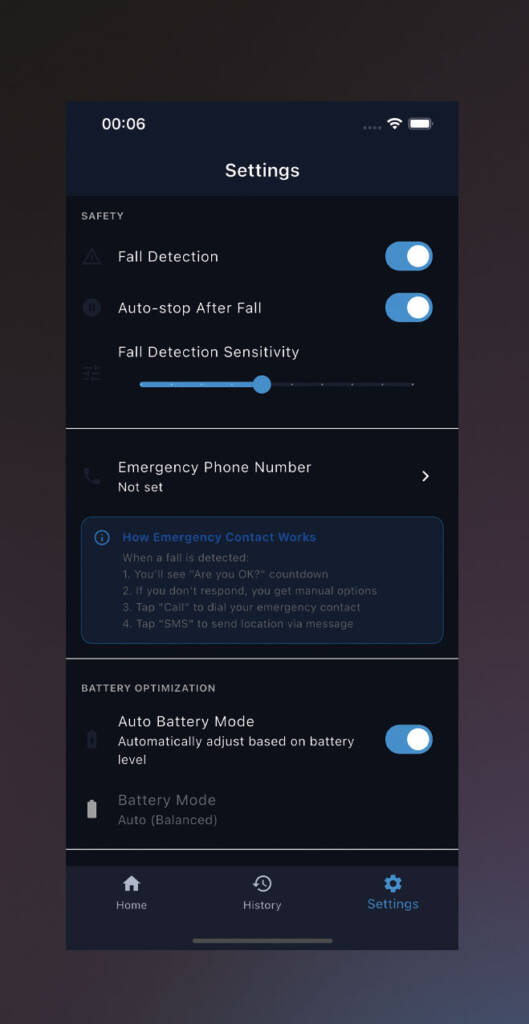
Fall detection has been included for free since the app’s first public release. The threshold is a 3G+ (three times the force of gravity) impact event. When triggered, the app displays a “Are you OK?” prompt and can notify emergency contacts.
The numbers, plainly
The app launched on iOS and Android with no paid marketing. By early 2026, it had more than 1,000 downloads across 15 countries, 40 paying customers and a four percent free-to-paid conversion rate. Apple independently verified the app as zero-data-collection, a reviewed status shown in the App Store privacy label.
For operators with GDPR obligations or guest data commitments, that verification means something specific. There is nothing to disclose, no data processor agreement to sign and no breach scenario involving guest skiing data. The data never existed on any server to begin with.
What comes next
A snowboard module is next. It will have the same sensor architecture but different movement patterns. After that, he plans the B2B version: a white-label platform for ski schools and indoor venues. Indoor facilities are a particular case. A venue with no mountain infrastructure has the same connectivity constraints as a backcountry slope.
“Offline-first is not a design preference for those environments. It is a requirement,” Grmaš. “I am an engineer. I built this because the problem was real and the existing solutions were more expensive and complicated than [necessary]. The Schladming afternoon is still the clearest design brief I have ever had: make sure it records, no matter what the phone is doing in the pocket.”