When winter arrives at a ski resort, the condition of the terrain is often judged by snow depth, grooming quality and the reliability of snowmaking systems.
But long before the first snowflake falls, much of the work that determines winter performance happens in the summer and fall. Trail maintenance, erosion control, drainage improvements and vegetation management all play a crucial role in protecting ski terrain and preparing slopes for consistent winter operations.
For mountain operations teams, summer trail work is not just routine maintenance; it is an investment in winter performance. Properly maintained terrain requires less snow to open, supports safer grooming and snowmaking, and helps resorts maintain consistent conditions throughout the season.
Managing water before winter
A key goal of summer trail work is controlling water on ski slopes. Uncontrolled runoff can damage trails, wash away soil and expose rocks or roots that later become hazards for skiers and equipment. Ski resorts use drainage ditches, culverts and angled water bars designed to divert water off ski runs and into designated drainage channels. Proper drainage prevents water from flowing directly down the slope and eroding the trail’s surface.
Stormwater management is a major focus in mountain infrastructure planning because ski slopes often function like roadways for water flow. Without adequate drainage, heavy rain or snowmelt can carve ruts into trails and destabilize soil, leading to uneven surfaces that are difficult to groom once winter arrives.
By directing water away from ski runs, resorts can preserve the shape and stability of their terrain. This reduces erosion during summer and helps slopes freeze more evenly once temperatures drop.
Creating a smooth base for winter snow
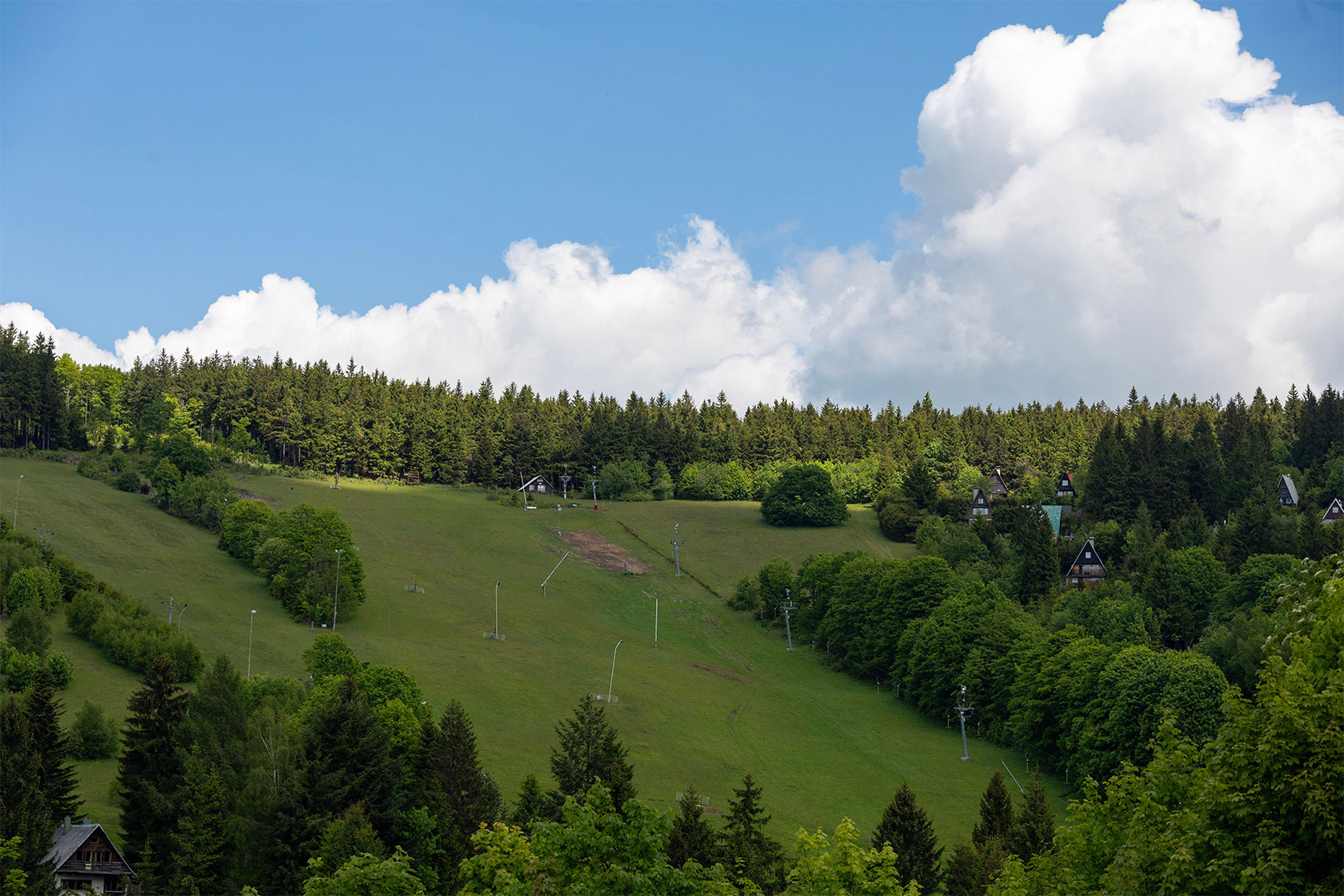
Another key part of summer trail maintenance is grading and surface preparation. Many ski resorts periodically re-grade trails using heavy equipment to remove rocks, stumps and other obstacles.
Grading creates a smoother and more uniform base across the slope. This is important for ski areas that rely on grooming and snowmaking because a consistent surface allows snow to accumulate evenly and reduces the amount of snow needed to cover hazards.
Research on ski slope construction has shown that graded slopes often open earlier than slopes where vegetation and obstacles remain. When the ground surface is smooth and free of protrusions, ski areas can establish a safe base layer of snow more quickly early in the season.
For grooming operations, smoother terrain reduces wear on equipment and allows snowcats to operate more efficiently. Grooming blades can maintain consistent contact with the snow surface, producing more uniform corduroy and better trail conditions for skiers.
Summer grading is especially important in areas used for terrain parks, race courses or high traffic trails where consistent surfaces are essential for safety and performance.
Stabilizing soil with vegetation
While some ski trails are cleared and graded, vegetation still helps protect mountain terrain. Plants stabilize soil, reduce erosion and maintain slope integrity between seasons.
During summer, resort crews manage vegetation by trimming bush, removing invasive species and reseeding areas where soil has been disturbed. Grass and other low vegetation can anchor soil, reducing the chances that rainstorms will wash sediment down the slope.
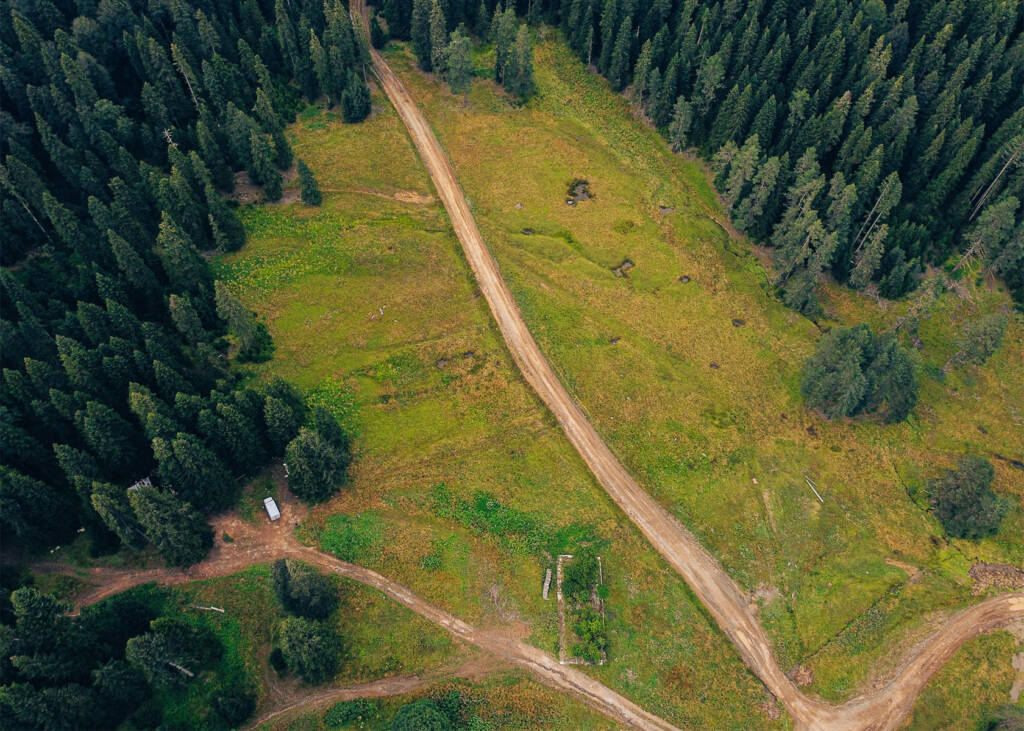
Vegetation management also contributes to winter operations in subtle ways. In areas where wind moves snow across the mountain, vegetation can help trap snow and improve natural accumulation on trails. Maintaining healthy ground cover supports both environmental protection and operational performance.
Reinforcing vulnerable terrain
Some sections of ski terrain require reinforcement to prevent erosion and maintain slope stability. Steep areas, drainage crossings and locations with heavy water flow can be especially vulnerable to soil movement.
In these locations, resorts may install erosion control measures such as rock armoring, retaining walls or reinforced drainage channels. These features help stabilize the terrain and protect slopes from damage during heavy rain or spring snowmelt. Geotextile fabrics and other erosion-control materials are sometimes used beneath the soil surface to improve slope stability. These materials reinforce the ground and reduce the likelihood that trails will degrade over time.
By strengthening vulnerable sections of terrain, resorts can avoid costly repairs and maintain safer conditions for winter operations. Stabilized slopes are less likely to develop ruts or obstacles that could interfere with grooming equipment or pose risks to skiers.
Designing terrain for long-term performance
Modern ski resorts increasingly approach trail maintenance and construction with long-term performance in mind. Terrain shaping, contouring and slope design can influence how snow accumulates, how water drains and how easily trails can be groomed.
Some resorts use trail-building techniques from the mountain biking industry, such as contour shaping and bench cutting, to improve drainage and create more sustainable terrain. These techniques help reduce erosion while maintaining natural terrain features that enhance the skiing experience.
Well-designed terrain can also improve snow distribution across the slope. By shaping trails to manage wind and water flow, resorts can reduce areas where snow blows away or accumulates unevenly. The result is terrain that is easier to maintain throughout winter. Grooming teams can work more efficiently, and snowmaking systems can produce more consistent coverage across the mountain.
The hidden work behind winter operations
For guests visiting a ski resort in winter, the condition of the slopes often appears to depend on weather and snowfall. The quality of winter terrain is heavily influenced by months of preparation during the off-season. Summer trail work protects ski terrain by managing water, stabilizing soil and maintaining smooth surfaces that support snow coverage. These efforts reduce hazards, improve grooming efficiency and allow resorts to operate more reliably throughout winter.
As climate variability continues to affect snowfall patterns and winter temperatures, the importance of summer terrain management is likely to grow. Resorts that invest in maintaining and improving their trails during the off-season will be better positioned to adapt to changing conditions and deliver consistent skiing experiences.
In many ways, the success of a winter season begins long before the first snowfall. On ski mountains around the world, the work done during the quiet months of summer ultimately protects the terrain and enables winter operations.