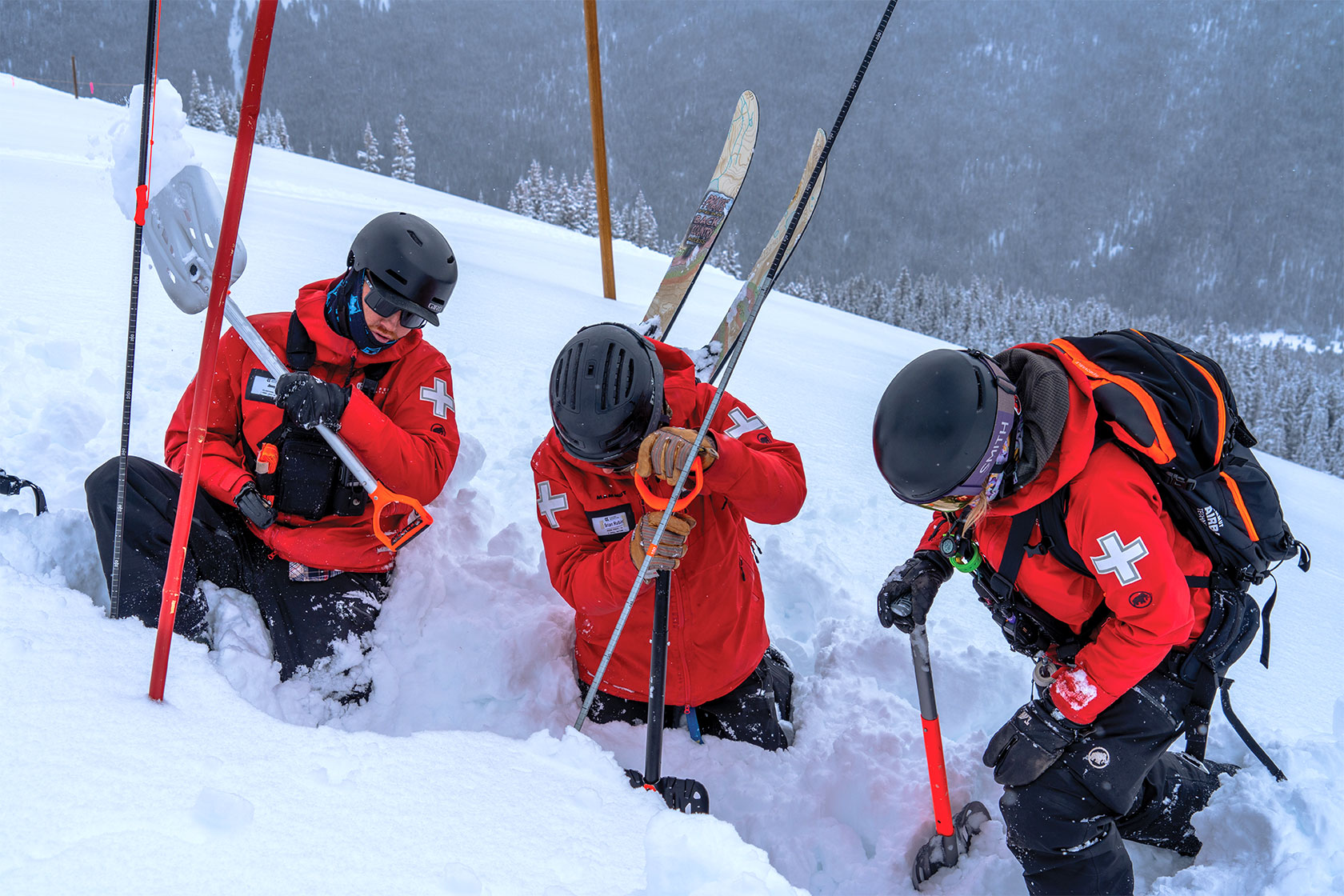
National Ski Patrol (NSP) members rely on a wide range of tools to do their jobs, often in high-stress environments. Now, they’re adding a different kind of tool to that kit: mental readiness and wellness, helping them prepare not only for the physical demands of the job, but also for the emotional challenges they might face.
In a groundbreaking program, set up through a powerful collaboration between NSP, The Cody St. John Foundation (CSJF) and Responder Alliance (RA), ski patrollers are learning new skills to deal with professional stress injury and risk management.
Ten professional ski patrols across the United States were selected for the program which helps develop the tools needed to build long-term psychological resilience within their teams. In an industry that faces increasing challenges with staff retention and high-stress environments, this training was intended to ease the mental burden placed on first responders. Now that the first round of training is complete, the results have been nothing but positive and encouraging.
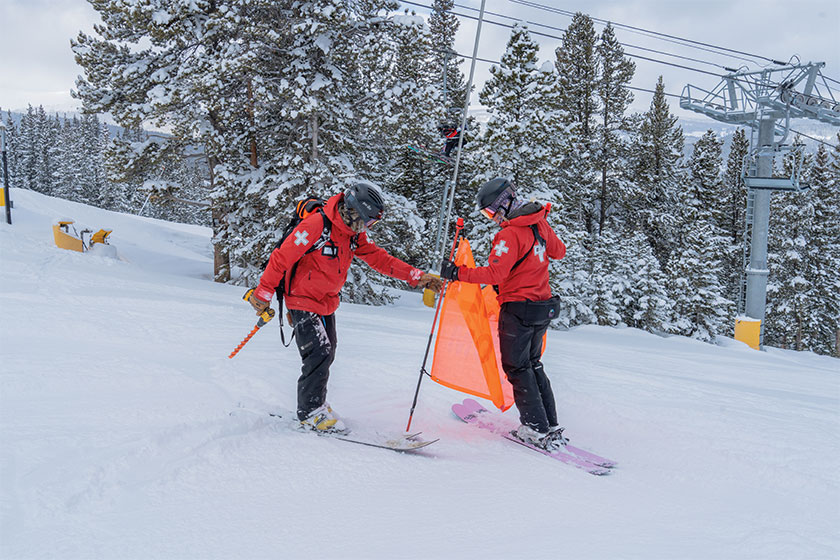
Katy Stockton, operations manager for RA, who designed and ran the training program, is very excited about the results of the pilot project. “We did an end of season evaluation and this makes me so excited,” Stockton said. “We found that 100 percent of the people that took the online training said it made them feel like they could stay in their role longer.” She says every group that participated in the project has committed to continuing with this training and making mental health a top priority.
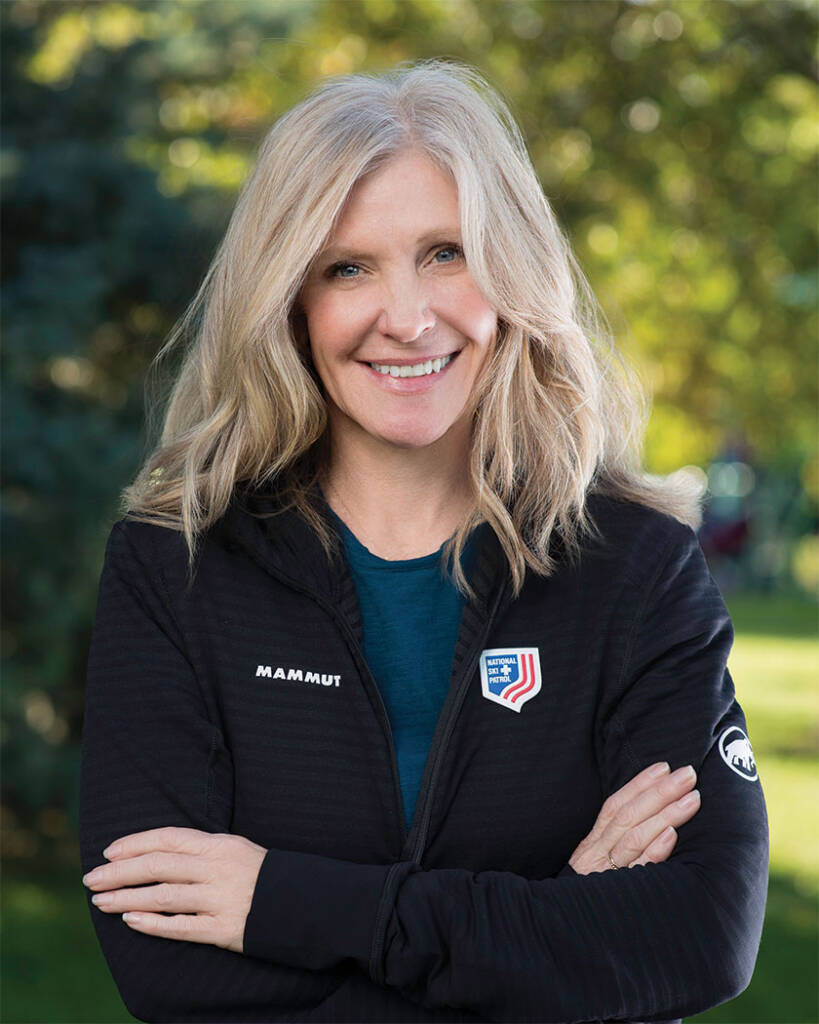
Stephanie Cox is the CEO of NSP. She is also encouraged by the results of the first training program. “This partnership represents a critical step forward in how we support those who help keep our mountains safe,” Cox said. “Mental resilience is as vital as technical skills."
Responder Alliance’s trainings equip patrol teams with tools to recognize stress and build resiliency. And as awareness grows across the ski and outdoor recreation industry, training that supports psychological readiness is becoming essential to healthy, high-performing patrol teams.
“It’s a tough career for paid professionals. It’s challenging physical environments and sometimes challenging mental environments. It can lead to stress and to a lot of burnout. The hours are long, the days are long. And when you have all of those things combined, it certainly can take a toll on you physically and mentally.”
Corinne St. John, of CSJF is also excited to see the industry shift towards greater awareness about the mental health issues faced by ski patrollers in their daily duties. “Many of us were taught to just cope and to get through it,” St. John said. “There were no support systems. And some of the things that these men and women see and handle daily erodes at the strongest of spirits. We wanted to make sure that people’s mental health was being checked on regularly and there was a support system in place. The days of just coping, it’s an era that we would like to put in the past.”
A big part of the curriculum built by RA deals with the three different types of stress ski patrols face on the job: traumatic stress, chronic stress and mission stress.
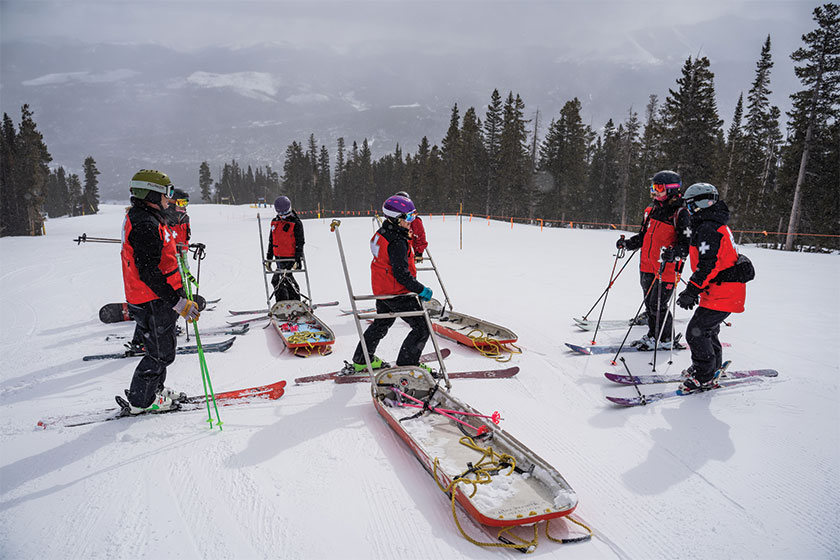
Traumatic stress happens when members of the ski patrol must deal with serious injuries that can be life or death, and often involve a lot of blood. Chronic stress has to do with the level of stress ski patrols have to deal with over time. It is the stress of already feeling tired and burned out by life, even before they show up to work. Mission stress happens when patrollers have a hard time with the actual mission of the work they are doing. Having to deal with these different levels of stress can have a negative impact on the work done by ski patrollers.
“Your risk assessment and your decision-making is hugely impacted based on what your level of stress is,” Stockton said. “If you’re already in the red and you’re already at capacity and then you’re having to make life, limb, eyesight decisions for other people, it’s really important that you know where you are so that before you make the decision, you think, ‘OK, let me just take an extra second to consider this before I act.’”
A part of the training was teaching ski patrollers how to track their stress on a continuum from green, yellow, orange to red. “The stress continuum is really huge,” Stockton said. “We’ve had patrols this season start doing weekly surveys. It can be as simple as a two-question survey of where you are on the stress continuum.”
These simple surveys can provide concrete evidence of where first responders are on the stress continuum. It can also create a living record of the stress and hardships that first responders must live with and how they are handling them. These team-based and common-language tools take all the guess work out of how the patrollers are feeling. If a team member says they are red or yellow, the other team members know exactly what that means. The training program also focused on stress injury and incident support. It gave the patrollers two essential online components.
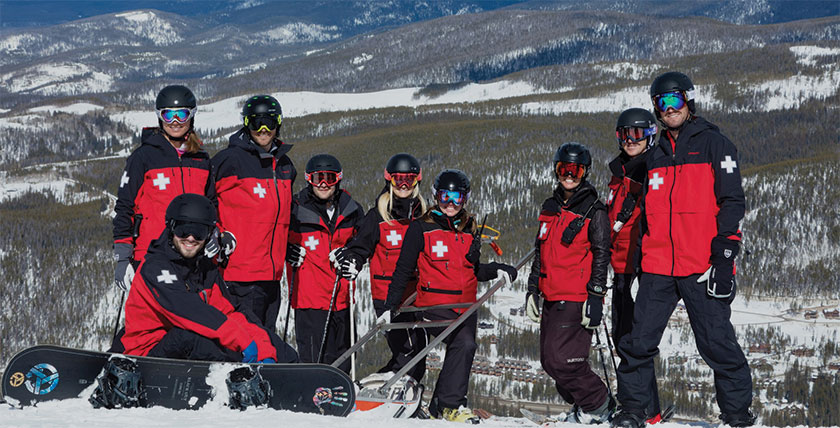
The first was teaching them psychological first response, which equips first responders with extra tools so they can deliver necessary physical patient care while also managing what can be an emotional scene. This helps to address situations where an unmanaged psychological environment causes heavy stress, such as dealing with a terrified parent whose child hit a tree or friends who just watched someone break an arm.
The second online training covered incident support for traumatic stress, designed for leaders like patrol managers, supervisors and trusted long-term patrollers to better support their teams. This gives them skills to handle everyday workplace pressures, from staff responding to their first fatality, to someone arriving at work after a divorce.
It addresses critical questions like how to talk about these challenges in the ski hut and how to properly check in with people after an incident. Another part of the training involved field-specific resilience strategies.
“For this area, we actually have what we call ‘The Resilience Hub,’ which is just for responders,” Stockton said. “It pretty much is just individual resilience building so that you have tools and routines you know while you are skiing to the scene of an accident. These tools include thinking about what you can do between now and when you arrive to make sure your nervous system is ready and prepared for what you are going to see.”
Following the online courses, teams participated in live implementation sessions, translating online learning into everyday applicable skills. This required its own dedicated effort, so these hour-long sessions focused on practical, day-to-day support and writing standard operating procedures around incident support.
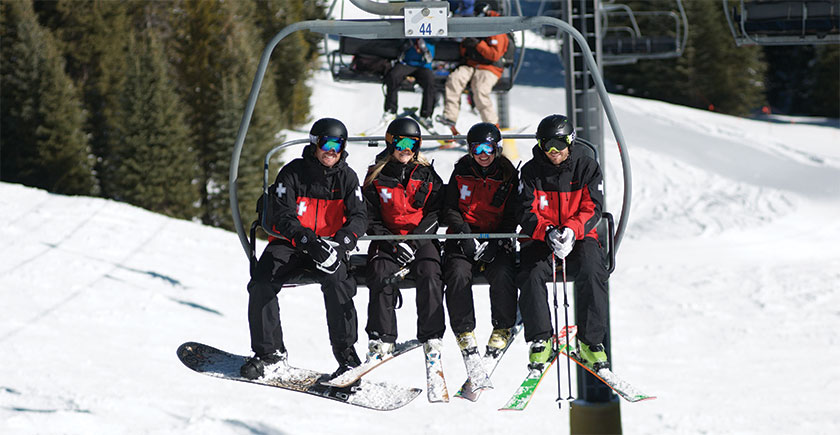
Stockton says a great way for other ski patrols to get involved is to go to ResponderAlliance.com. “We have training hubs,” Stockton said. “We have a training hub for leadership, patrol directors, search and rescue directors, people that need to understand the operational ways to help their team. And we have training hubs for peer responders, which would just be a general patroller that’s taking on a little bit more responsibility to care for the rest of the patrol.”
For St. John, continuing this work will help to continue the legacy of her brother, Cody St. John, who died in a car accident nearly 20 years ago.
“We’re going to continue working with the other 10 groups from last year,” St. John said. “They’re moving on to phase two. This is a continued effort on our behalf. We don’t just get them started year one and then sort of leave them to figure it out on their end. Taking them through this is a three-season process and we’re going to continue working with them to make sure that their groups are not only established, but they are feeling mentally ready, trained and prepared for the season ahead of them.”
Cox greatly values the measurable progress and ongoing success of the program and its scholarships. “We are finding now that NSP patrollers are willing to open up and to talk to each other about their mental health concerns and about their levels of stress. That’s an order of magnitude change than what it was just five or 10 years ago,” Cox said.