The ski community is a tight-knit fraternity and events that happen in one location tend to reverberate with its members all over the globe.
Such was the case with the tragic event that occurred February 11 at Centre Vorlage, a ski hill located in the village of Wakefield in the Outaouais region of Quebec. A 13-year-old girl was critically injured after her clothing became tangled in a ski lift as she was about to discount the chairlift at the top of the hill. First responders and doctors treated the girl at the scene, but she later succumbed to her injuries after being rushed to hospital.
The young girl’s death is being mourned by ski enthusiasts around the world including Stan Gale, the owner and founder of Rocky Mountain Ski and Snow Sports Consulting. Gale has 58 years of safety training experience in the ski and snow sports industry including almost four decades as a ski patroller. He has also skied and inspected approximately 400 ski areas in the U.S., Canada, Australia and Europe, and has reviewed dozens of employee safety manuals for ski patrol and lift operations.
“My feeling is it’s a tragedy. It’s very sad because it should have never happened,” said Gale, who is based out of Golden, Colo. “I think generally ski areas do an excellent job in terms of safety for their customers, from the minute they get there to the minute they leave. But sometimes things happen that should not have happened and could have been prevented through reasonable, customary and ordinary care.”
Gale hopes the incident in Quebec prompts ski areas and the people who work in the industry to re-examine their practices, policies and procedures to reduce the chances of such an incident from happening again.
One of the most important things ski area operators should do is ensure they provide lift operators and lift supervisors with the proper training to carry out their duties correctly, he says. That includes maintaining surveillance of lift users at all times and ensuring the employees follow all of the correct and established procedures when a person is being loaded onto a chairlift and unloaded.
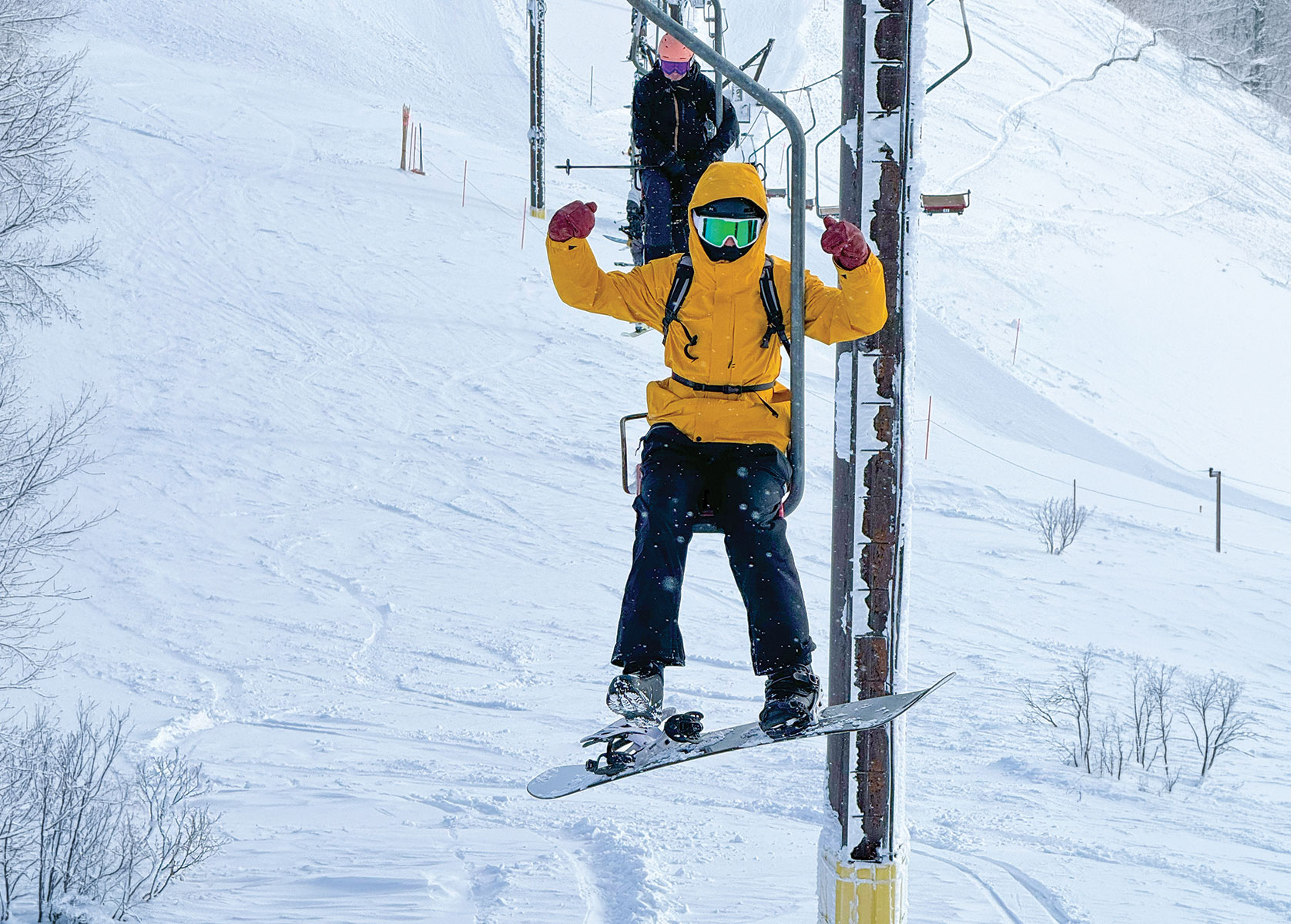
Most loading incidents can be prevented if the lift operator is paying attention to things such as a skier being ready and properly balanced when being loaded, positioned correctly in the loading zone, and they aren’t wearing any loose items of clothing or a backpack that can get caught on the chairlift seat. “Lift personnel are what I term in my work as lift lifeguards. They’re there for one reason: to keep people safe while they are loading and unloading chairlifts,” he said.
Lift operators should also be encouraged to use hand signals or gestures, and to communicate with users since audible instructions can sometimes be drowned out by chatter or other loud noises. Maintaining eye contact with the public is always a good policy. Operators need to be completely focused at all times. That means that they should not be on their cell phones and loud music should be a no-no in the loading area, according to Gale.
“Lift operators should not be playing loud music or have earbuds in because then they can’t hear screams. It’s not uncommon that the lift operator will miss something after loading passengers and not look up the line, and when people in the queue are screaming ‘Stop the lift,’ but they may not hear them if there’s loud music,” he said.
Gale also recommends that lift supervisors conduct regular spot checks of lifts and ride the lifts themselves to ensure lift operators are doing their job properly and are focused on their responsibilities.
“You can load 1,000 or 10,000 chairlifts, but if you’re not looking up the line when you need to for every single customer, then you substantially increase the possibility of things happening that can and do endanger the public,” he said.
If an operator isn’t present, sometimes skiers in the “wait here” area may figure it’s OK to load themselves rather than wait for the operator.
“It’s important for the lift operators to be looking uphill to make sure that people are properly loaded because in most cases, you can identify an improper load right away, you can sense it, stop or slow the lift, and make a ‘save’ well before a person is dangling or being held onto the chairlift by another person.”
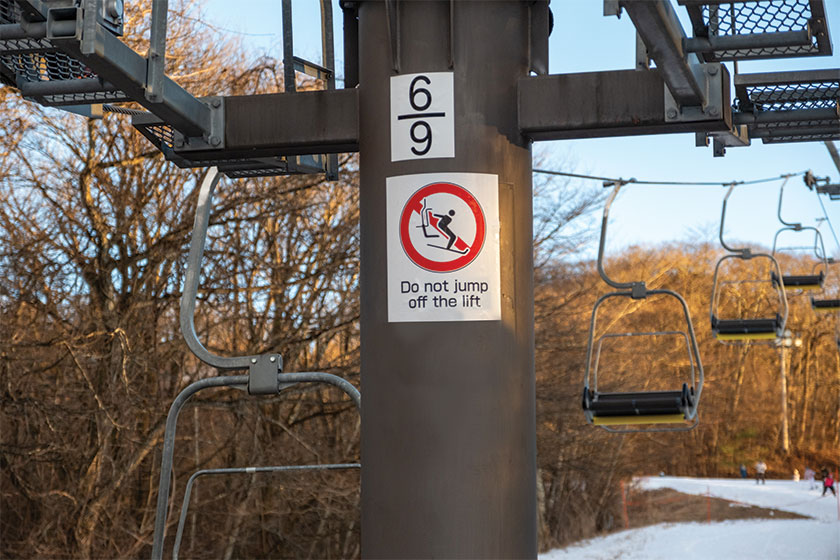
Gale says it’s also important for lift operators to have their “boots on the snow” instead of being seated in the lift shack. This means that a minimum of two bottom lift operators are typically needed. If an operator isn’t present, sometimes skiers in the “wait here” area may figure it’s OK to load themselves rather than wait for the operator. Posting a sign instructing users to wait until an operator can assist in loading them is also a good idea.
He suggests that operators should be in constant communication with people using the lift. Encouraging the lift attendants at the top to regularly be outside of the lift shack to observe guests unloading while being within arm’s reach of the lift controls is a good safety policy. When the top attendant is in any doubt of a safe unloading, they should always slow or stop the lift. This can mitigate unloading injuries and customer confusion, especially if there is a pile up on or near the unloading area.
“It’s important that lift operators, if they sense something, talk to the people that they are loading,” he said. “Ask them, ‘Is that a backpack on your back?’ If so, tell them they can take it off and hold it while you’re loading them. If there’s a scarf that’s dangling, give them a minute to secure it. If a jacket is tied around the waist, talk to the customer about it. If all those things are done, it would be very unlikely an improper lift load would result.”
Lift operators have a very important job at any ski area. They are often dealing with hundreds or thousands of customers on any given day. Gale says it’s critical that they are focused at all times. They should be well paid and relieved every hour or so, he adds.
“It’s a tiring and sometimes monotonous, yet critical job. It takes a lot of focus. Lift operators need to be respected by the management,” he said.
Some ski areas have older ski lifts that were installed prior to the 1970s. Many of these often consist of only the seat and no safety bar to pull down. In such cases, Gale says management should consider contacting the lift manufacturer and retrofit those chairs with a safety bar or some kind of restraint to bring them up to today’s safety standards.
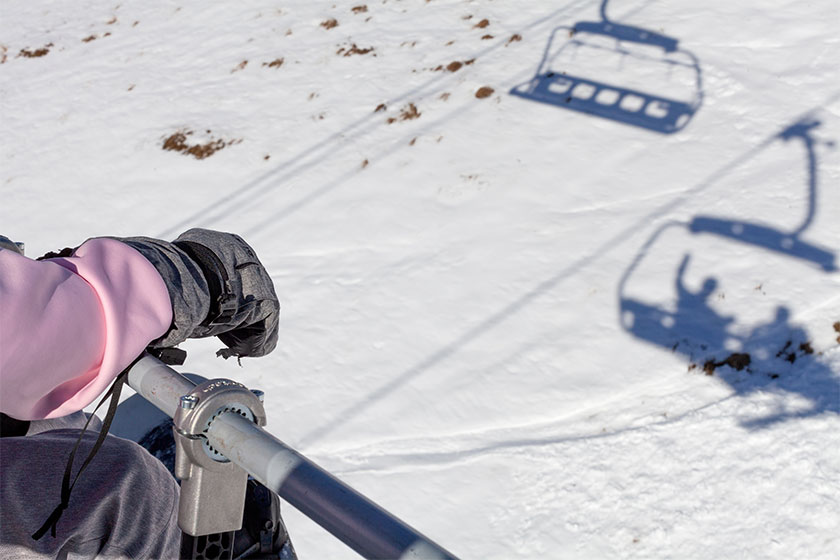
Ski areas may also want to consider installing a loudspeaker system near their lift so that if an operator sees people are not using the safety bar right away, they can get on the microphone quickly and inform them to lower it. Some of those older ski lifts, which are not detachable may also require a bit of added supervision, he adds.
In some cases, that means having an operator “bump” the chair and in doing so tip the chair slightly when it comes around the pole wheel to ensure its properly aligned so it doesn’t hit the user in the back or knees. Doing so is essential because this essentially scoops up a person.
Gale also recommends ski areas that don’t already have one near their loading area add a large foam cushion or large bag filled with Styrofoam peanuts. Another type of device can be a round type of fireman’s net to catch a skier who can be instructed to drop onto it. That way if a skier is found to be dangling, they can more safely drop to the ground and start over.
While most skiers have been educated about the proper use of a lift through some form of observation or instruction, it’s never a bad idea for ski hills to offer a bit of a refresher course, especially to unaccompanied children who can benefit from special attention, Gale says. This is especially true when it comes to beginners and novices, he adds. Operators need to remind them about where they should be lining up prior to loading and to be vigilant about what is going on as part of the loading process.
Being proactive and having the lift controls within arm’s reach are essential. After all, an ounce of prevention is often worth a pound of cure.
“Skiing is a beautiful sport. It’s a wonderful sport. Anything we can do to make it safer, I think is better for everybody,” Gale said.