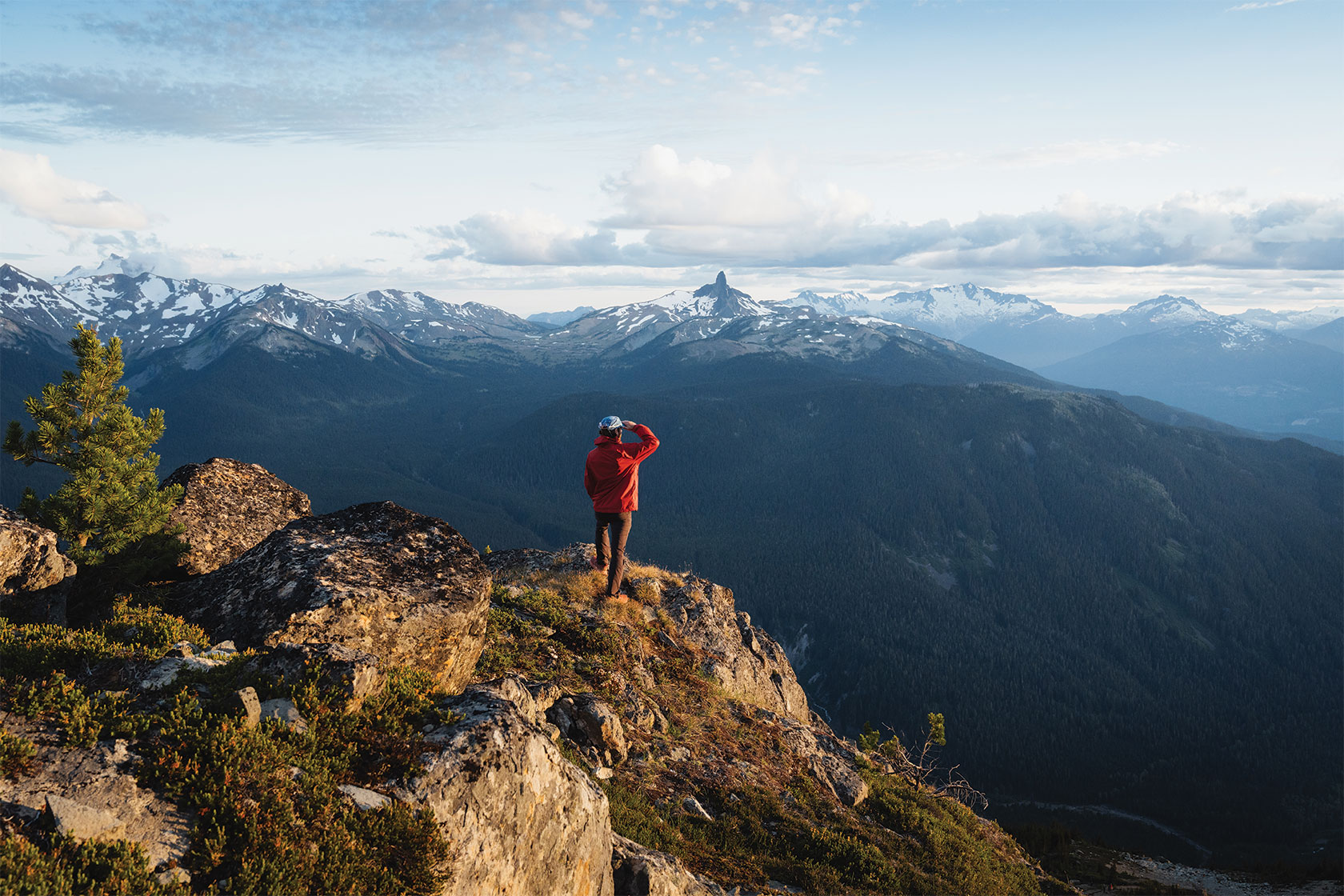
Nestled in among the scenic splendor of Whistler, B.C., and featuring two mountains, endless terrain, unforgettable skiing, snowboarding and year-round adventure, Whistler Blackcomb, a Vail Resort, is one of North America’s largest and most popular ski resorts.
However, Whistler Blackcomb has become more than just winter fun and has built a strong reputation for enticing guests with its full slate of warm weather activities. In fact, the months without snow have become hugely important to Whistler Blackcomb, and its summer festivals, activities, and community-focused experiences now play a major role in attracting guests and keeping Whistler vibrant year-round.
When Whistler Blackcomb’s senior manager of planning and business development, Wendy Robinson first moved to the area, she came for the snow-based sport. At that time, the resort’s business was almost entirely winter-focused and, while the summer had some activity going on, most of the staff were seasonal workers who arrived for the winter and left as soon as the ski season ended.
“But with more and more summer events and activities now filling up our summer months, we are now able to retain staff year-round and build a more stable workforce,” said Robinson. “The summer activity has also built a real year-round community at Whistler, where people live here year-round and not just seasonally. In turn, this generates consistent revenue for the resort throughout the entire year, instead of us depending solely on the winter months.
Lifting up Whistler
Whistler Blackcomb’s shift into a true four-season resort was not a sharp pivot, but instead more of a gradual evolution. For many years, the lifts were spinning throughout the summer for sightseeing, albeit on a smaller scale, simply because the infrastructure existed and visitors were around.
The real turning point for the resort came when the Whistler Mountain Bike Park officially launched in 1999 and created a whole new reason for people to plan their summer vacations around Whistler and, as mountain biking grew as an activity, the focus for Whistler Blackcomb steadily became how to expand the summer side of its business.
“This meant pushing higher up the mountain, developing more hiking trails and figuring out what guests wanted to experience,” said Robinson. “Opening the Peak Chair to access to the top of Whistler Mountain in the summer was huge because it gave people our iconic, top-of-Whistler views and let them see what the mountains offered outside of winter, in addition to converting some of them into future skiers.”
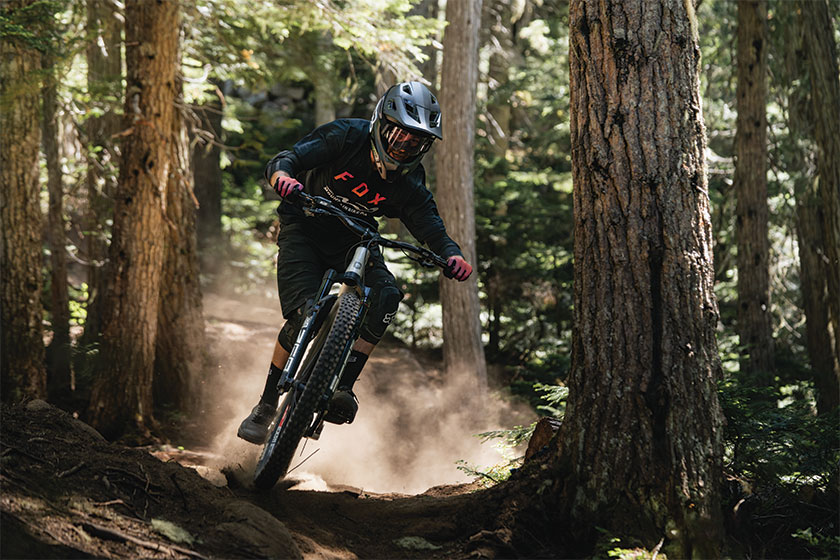
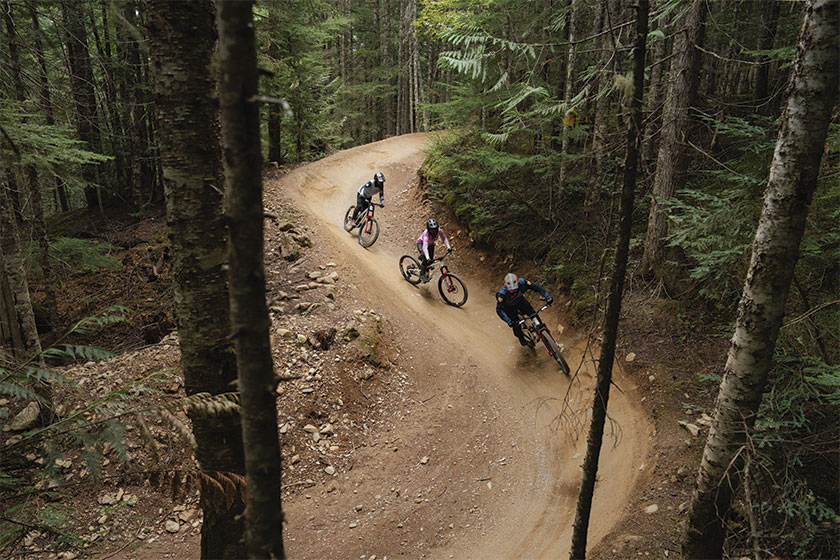
By the early 2000s, Whistler Blackcomb was actively building out its summer operations. The Whistler Mountain Bike Park expanded from the Fitzsimmons Zone on the lower mountain to mid-mountain, and eventually all the way to the Peak with Top of the World. This growth in mountain biking was matched by what the resort was doing with sightseeing and providing more access, more terrain and more reasons to visit.
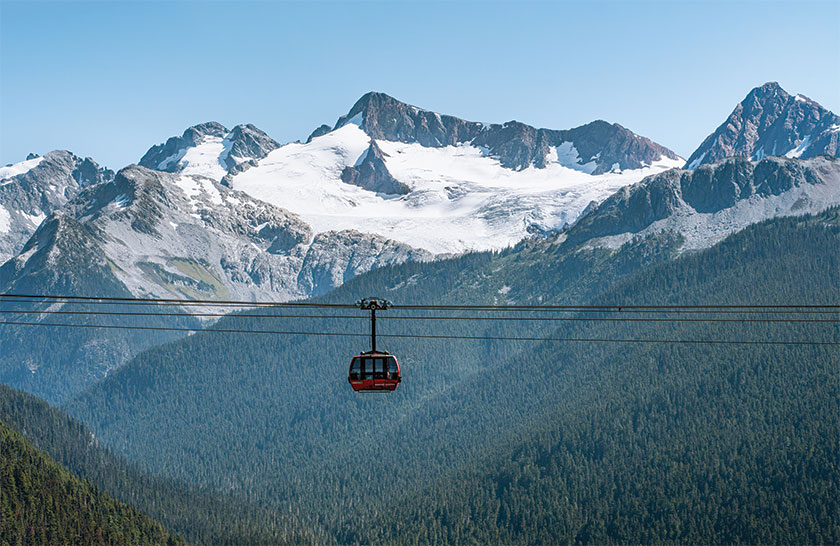
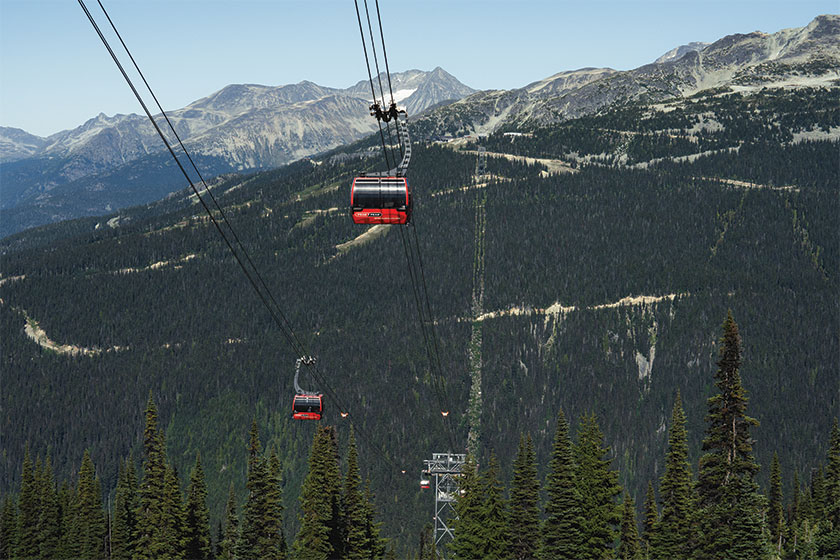
However, the biggest moment for Whistler Blackcomb, and the one that truly put Whistler on the global map for summer tourism, was the lead-up to the 2010 Olympics and the construction of the record-breaking Peak 2 Peak Gondola. Operating year-round and spanning 2.7 miles between Whistler and Blackcomb, the gondola boasts the longest continuous lift system on earth and the world’s highest unsupported span at 1,430 feet above the valley floor. As Whistler Blackcomb has grown its summer activities, so too have the challenges of keeping everything running smoothly throughout the seasons.
“We now rely so much on our lifts for everything in the summer that we really have to be smart about our maintenance windows and ensure everything will be ready for when winter arrives,” said Robinson.
Summer events at Whistler Blackcomb
Over the years, Whistler Blackcomb has become well-known for its summer festivals and events. By far, the Crankworx mountain bike festival is the resort’s most significant event of the summer. Held over 10 days, Crankworx offers a huge program that includes sporting competitions, participatory activities, media showcases and community programming. The event also draws thousands of people to the village with a full expo, film competition and a variety of side events that keep the whole resort buzzing.
Known as the Super Bowl of the mountain biking world, the rebranded Rhapsody Slopestyle is held at the base of Whistler Mountain and is the biggest single event within Crankworx. This single competition alone draws somewhere in the range of 20,000 to 35,000 spectators, all packed in to watch the top riders in the world. It’s a massive moment for Whistler Blackcomb and one of the busiest days of the entire summer.
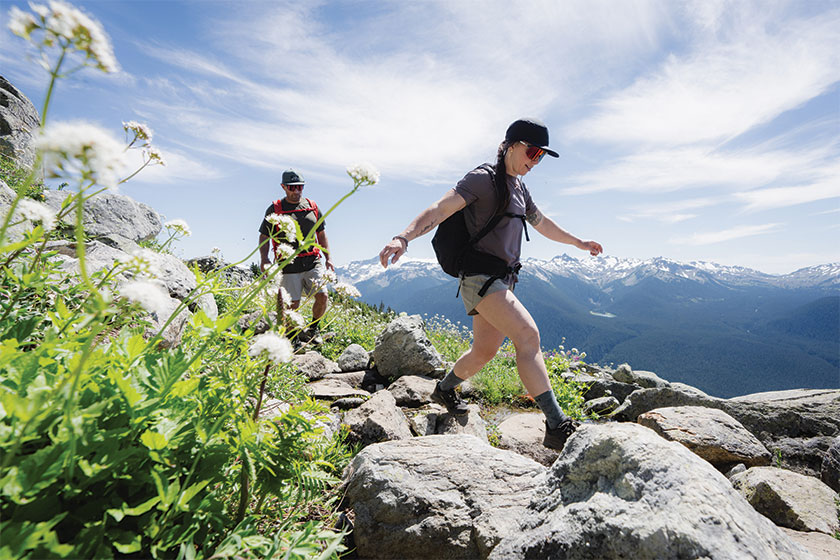
In addition to Crankworx, Whistler Blackcomb also hosts several major running events through a variety of third-party partners. The UTMB World Series is one of the largest which, along with the Everesting 29029 endurance hiking event and a handful of other races that bring in strong participation, adds another layer of volume and energy to the resort.
“However, beyond festivals and races, our core summer business remains sightseeing and hiking,” said Robinson. “Those kinds of activities are accessible to almost everyone and, of course, mountain biking remains an important part of our summer operations, thanks to the Whistler Mountain Bike Park."
Managing the mountain
Operationally speaking, hosting large summer events bring with it a whole range of challenges. For something like Crankworx, the biggest spectator moments happen at the base of the mountain, which means Whistler Blackcomb needs to consider how people move in and out of the area, as well as security, crowd management and how to keep traffic flowing smoothly, both on-mountain and in the village. High volumes of people also require additional infrastructure, which can include temporary washrooms, expanded food and beverage capacity, extra buses and increased staffing.
“In many ways, hosting summer events can often be easier because people are moving around on foot, not skis,” said Robinson. “But you still have to think how people will get to the venue, how they move around once they’re here, how we keep them safe and how we support them with the right amenities.”
Robinson says that should another resort think about hosting events, the first thing to understand is who they are trying to attract, as well as how that audience ties back into its regular business or brand. After all, an event might bring people in for a single day or for the duration of the festival, but the real value comes from what happens beyond that.
She said, “Think about how the event connects to your broader offerings, your retail, rentals, food and beverage, additional activities and the overall mountain experience. You want to encourage visitors to stay longer, come back again or spend more across the resort while you showcase your resort in a way that’s consistent with your identity and what it is you do best.”
Future seasons, new opportunities
Whistler Blackcomb is constantly searching out new summer activities, new events and new ways to bring people onto the mountain, all with a focus on hosting events that reflect what the resort is all about when the weather turns warm: mountain biking, hiking and high-level competition.
As part of this, Whistler Blackcomb is excited to host the upcoming UCI Mountain Bike World Cup in September, the highest level of downhill mountain bike racing in the world and a first for Whistler. An event the resort has been working toward for decades, the competition will take place on the 1199 track in Whistler’s Creekside, a purpose-built venue designed to support world-class racing. This milestone reflects years of vision and investment, with the resort focused on ensuring the venue, course and overall guest experience are second to none.
Running alongside high-caliber events such as these, Whistler Blackcomb also remains mindful about how to introduce sport and outdoor experiences to a wider audience, which means creating opportunities not just for elite athletes, but for kids, families and anyone who might be curious about getting outside.
“If we can get someone to experience the mountains in a way that feels accessible and fun, they’re far more likely to come back or to keep exploring those activities at home,” said Robinson. “It’s about building appreciation for the outdoors and creating memorable experiences. So, when our guests leave, they leave happy and eager to start planning their next stay with us."